OpenAI is expanding ChatGPT’s role in online shopping with two new features designed to make it easier for users to discover, visualize, and keep track of products they may want to buy.
The new features, Virtual Try On and Favorites, are being introduced globally as AI companies increasingly explore how conversational assistants can become part of the online shopping experience.
Virtual Try On Comes to ChatGPT
One of the most notable additions is Virtual Try On, which allows users to see how clothing and accessories could look on them before making a purchase.
Users can upload a selfie or a full body photograph and use ChatGPT to visualize themselves wearing a particular item. The feature appears through a new Try On button in eligible shopping results.
Users can also upload an image of an item they have found elsewhere, such as a screenshot of clothing from an online store, and ask ChatGPT to show them what it might look like when worn.
The feature could make online fashion shopping more interactive by giving shoppers another way to assess a product before spending money.
Save Products You Like for Later
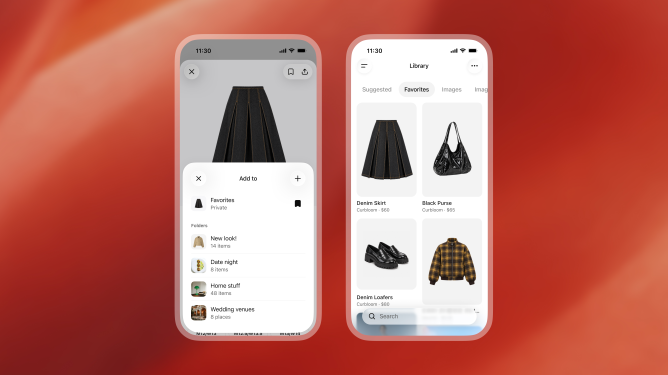
OpenAI has also introduced Favorites, allowing users to save products they discover while using ChatGPT.
Saved products are kept in a Library, making it easier for users to return to items later instead of searching for them again. Try on images can also be saved alongside the products.
This could be particularly useful for shoppers who like to compare different products before making a purchase or who want to keep several options while deciding what to buy.
ChatGPT Can Help Create an Entire Outfit
The new shopping tools are part of a broader effort to make ChatGPT more useful for product discovery.
Instead of searching separately for individual pieces, users can describe the type of outfit they want and ask ChatGPT to find products that could work together.
For example, someone could describe a particular style and ask ChatGPT to identify clothing, shoes and accessories that would help create that look.
Users can also upload photographs of celebrity outfits and ask ChatGPT to identify similar clothing and accessories that are available to purchase.
This places ChatGPT in an area that has traditionally been dominated by platforms such as Google and Pinterest, where people often look for fashion inspiration before making purchasing decisions.
The Technology Behind ChatGPT’s New Shopping Features
OpenAI says the new shopping experience uses its recently launched ChatGPT Images 2.5 model.
According to the company, the model produces more natural lighting, richer textures and more reliable image edits while also reducing image generation time.
These improvements are particularly relevant to virtual try on because the usefulness of the feature depends on how convincingly clothing and accessories can be represented on a user’s photograph.
However, an AI generated try on image should not be treated as an exact representation of how an item will actually fit. Factors such as body measurements, fabric, sizing and the actual construction of a garment can still produce different results in real life.
AI Companies Are Competing for a Place in Online Shopping
OpenAI’s expansion into shopping comes as several AI companies experiment with ways to turn conversational assistants into shopping tools.
The company previously explored instant checkout as part of its shopping strategy, allowing users to purchase products through ChatGPT. That approach did not perform as strongly as expected, and OpenAI subsequently shifted its focus.
Other AI companies have also experimented with proactive product recommendations. Some users have questioned whether aggressive recommendations feel more like advertising than useful assistance.
OpenAI’s latest approach puts greater emphasis on helping users discover products, visualize them and save items they may want to consider later.
What This Could Mean for Online Shopping
Virtual try on could change how consumers research fashion products online.
Instead of relying entirely on product photographs and imagining how an item might look, shoppers can use AI to generate a visual approximation of themselves wearing it.
The technology does not replace physically trying on clothing, but it could provide another reference point before a purchase, particularly when shopping online.
The Favorites feature could also encourage people to use ChatGPT as a longer term shopping research tool. Someone comparing several outfits or waiting before making a purchase can save interesting products and return to them later.
ChatGPT Is Moving Beyond Questions and Answers
These developments show how conversational AI is expanding beyond its traditional role as a question and answer tool.
ChatGPT can increasingly help users discover products, compare options, visualize potential purchases and organize items they may want to buy.
The bigger question is whether consumers will eventually make AI assistants a regular starting point for online shopping.
Google has already introduced its own virtual try on capabilities, while platforms such as Pinterest have spent years building visual discovery tools around fashion and shopping.
The competition is therefore moving beyond simply providing information. AI companies are increasingly trying to help users discover what they want, visualize it and move closer to making a purchase.
For consumers, the practical benefit could be convenience. Instead of opening several websites and apps to research an outfit, shoppers may increasingly be able to carry out much of that process through a single conversation with an AI assistant.